
Understanding loss beyond bereavement
Grief is often associated with the death of a loved one. While this is one of the most recognised forms of grief, it is not the only way people experience loss.

Gambling can start as entertainment, but for some veterans it can become difficult to control, affecting mental and physical health, relationships, finances and everyday life.
Whether it be sports betting, using ‘pokie’ machines or betting at casinos, gambling can trigger the brain’s reward system, similarly to drugs or alcohol, making it easy to repeat the behaviour.
Although 73% of Australians participated in gambling in the last 12 months, when gambling begins to take over a person’s life, it follows the same patterns as other addictions.
Signs gambling may be becoming harmful include:
Why veterans may be at greater risk
For some veterans, betting and gambling habits were formed during their time in service and normalised as part of the military culture. These behaviours, coupled with Australia’s entrenched gambling culture, can become a problem.
Research says that veterans are almost twice as likely to experience gambling harm – a negative consequence experienced as a result of gambling.
As the veteran community is more likely to experience mood disorders and trauma related disorders such as PTSD, this can result in unhelpful methods to cope with this distress such as drinking and gambling. Reduced help-seeking, which is common within the military culture due to shame and stigma, can then strengthen these coping methods.
Additionally, more than 13% of transitioned veterans face gambling-related issues. Leaving Defence can be an immense upheaval after years in a highly structured environment, where identity, routine and connection are closely tied to service. Without that structure and support, gambling venues can sometimes fill the void.
For veterans who are young, male, unemployed, from junior ranks, or who have been medically discharged, this risk increases further.
The impact of gambling on wellbeing
As well as financial concerns, gambling addictions can seriously impact a person’s mental, physical and social health.
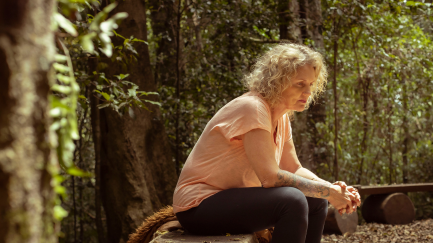
The mental impacts of gambling addiction can vary widely, but generally it can create a sense of anxiety related to keeping the extent of the gambling hidden, chasing losses and immense guilt and shame. There can be an increase to suicidal risk as a result.
Physically, gambling addictions can result in chronic stress, sleep disruption and neglect of self-care. Hypertension, cardiovascular disease, insomnia, immune suppression, malnutrition, IBS-like symptoms and chronic pain can be linked to problematic gambling.
Long-standing problematic gambling has major social consequences. Family breakdown, erosion of trust with family members and family violence are also all associated with problem gambling. Additionally, workplace issues like absenteeism, job loss and unemployment can add to already existing financial distress.
Social isolation and alienation from peers is also a concern, with the cycle of borrowing money from peers and family leading to interpersonal conflict and loss of supports.
First steps towards support
It can be confronting to acknowledge if you’re experiencing gambling harm, but support is available, and you do not need to manage this alone.
If you are concerned that you may have a gambling addiction, or if you have a loved one showing signs, a great starting point is GamblingHelpqld.org.au. It offers self-help strategies, screening tools, online counselling and other supports, including a short self-assessment of gambling behaviours. It also has a section for family and loved ones of problem gamblers.
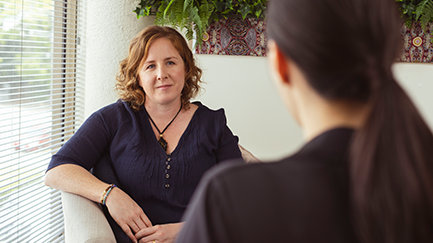
For veterans and their family members, Mates4Mates mental health clinicians are here to help either at a Veteran & Family Wellbeing Centre or via telehealth.
Mates4Mates psychologists and counsellors are equipped with the skills to support people experiencing gambling harm, the same with other addictions. They can help formulate plans, explore stuck points and motivation, and help people develop adaptive methods to cope with any distress that may be prolonging the behaviour itself.
Addictions often occur alongside other conditions as well, therefore by treating all underlying conditions and the addiction as a coping mechanism at the same time, we can achieve significant reductions in harm related to gambling and a general improvement in wellbeing.
The Mates4Mates Understanding Addiction Program is also available in select locations and teaches practical strategies relating to addiction and recovery.
To find out how Mates4Mates can help support you, reach out to us on 1300 4 MATES (62 837) for a confidential chat.
Written by Jonathan Moscrop, Mates4Mates Clinical Lead – Psychological Services and Psychologist
Grief is often associated with the death of a loved one. While this is one of the most recognised forms of grief, it is not the only way people experience loss.