
The benefits of team sports
Whether playing, volunteering or cheering from the sidelines, team sport can support physical health, mental wellbeing and social connection for veterans, current serving members and their families.

Whether playing, volunteering or cheering from the sidelines, team sport can support physical health, mental wellbeing and social connection for veterans, current serving members and their families.
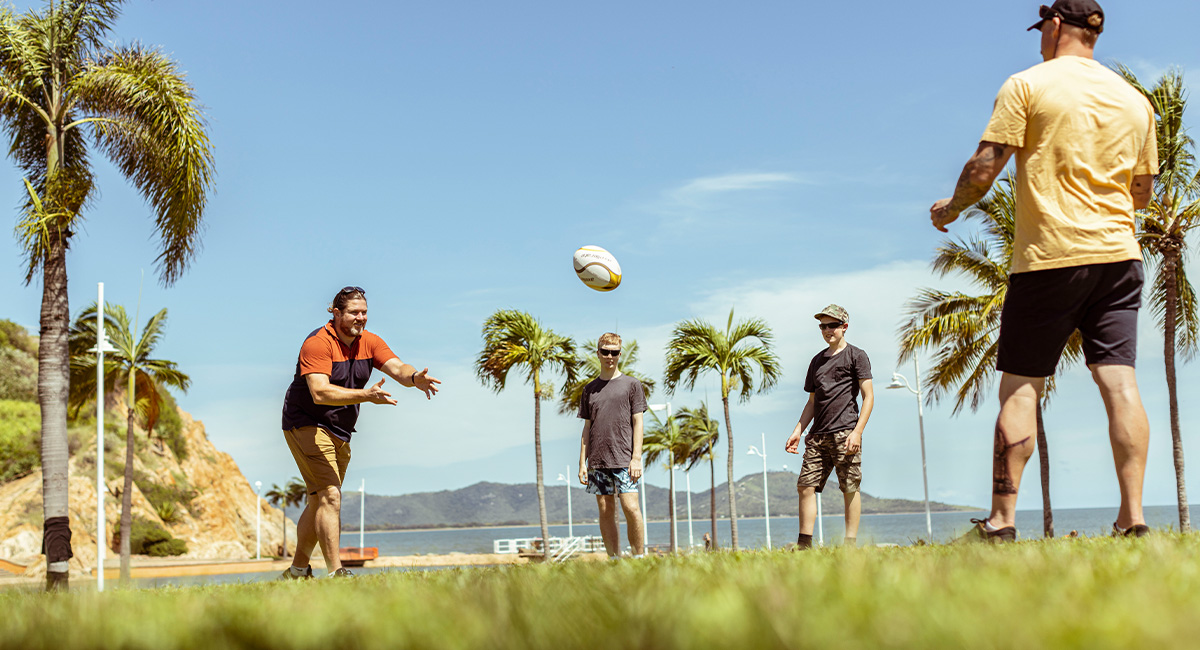
The 2026 Rugby League World Cup is not just about a great game of footy, it's a timely reminder that the value of team sport reaches well beyond the scoreboard. Playing, volunteering and supporting can all create opportunities to move more, share experiences and feel part of something bigger.
More than physical activity
Team sport can support your physical health in a number of ways including improved:
It can also support sleep, energy, bone health and the prevention or management of chronic conditions.
But the benefits don't stop there. Team sport can also make a big impact on your mental and social wellbeing.
Research suggests that participation in sport is associated with better self-esteem, life satisfaction and social outcomes, and lower depression, anxiety and stress. Equally, being 'part of a team' also gives people the chance to experience shared goals and provides opportunities to build confidence.
For supporters, identifying with a team may create connection, trust and shared purpose, particularly when games are enjoyed with family, friends or a wider community.
Why it can matter after service
Transitioning from military to civilian life can bring changes to identity, routine and social networks.
Team sport may provide familiar elements – teamwork, structure, shared goals and camaraderie – while opening the door to new connections.
These experiences can support veterans, current serving members and their families, whether they participate on the field, volunteer behind the scenes or join the supporter community.
In it to win it
It's important to remember that team sport does not need to be highly competitive to be worthwhile. Social and recreational sport can still provide movement, routine, enjoyment, connection and a sense of achievement.
Similarly, you don't need to be fit before you start a team sport either. Many activities offer beginner, social, walking, master's or adapted formats for different ages and abilities.
Start with a low-pressure option, such as a beginner, social or come-and-try session. You could contact the organiser before and attend with someone you trust, or watch a session first. Think about what you want from the experience – movement, fun, friendship or competition – and choose a setting that matches your goals.
If team sport is not for you, activities such as walking, cycling, swimming, gym-based exercise or group fitness can also provide valuable health benefits.
Support at Mates4Mates
If pain, injury, disability, health concerns or low confidence are holding you back, the Mates4Mates Physical Rehabilitation team can help.
Our physiotherapists and exercise physiologists are available at Veteran & Family Wellbeing Centres and can assess your needs, build a gradual plan, adapt activities and help you find a level of participation that supports your goals. That might mean returning to play, trying a social format, volunteering or simply feeling more confident joining in as a supporter.
To find out how Mates4Mates services can help support you, reach out to us on 1300 4 MATES (62 837) for a confidential chat.
Written by Baxter Mahutonga, Clinical Lead – Physical Rehabilitation & Wellbeing Services, Mates4Mates
Whether playing, volunteering or cheering from the sidelines, team sport can support physical health, mental wellbeing and social connection for veterans, current serving members and their families.