
The benefits of team sports
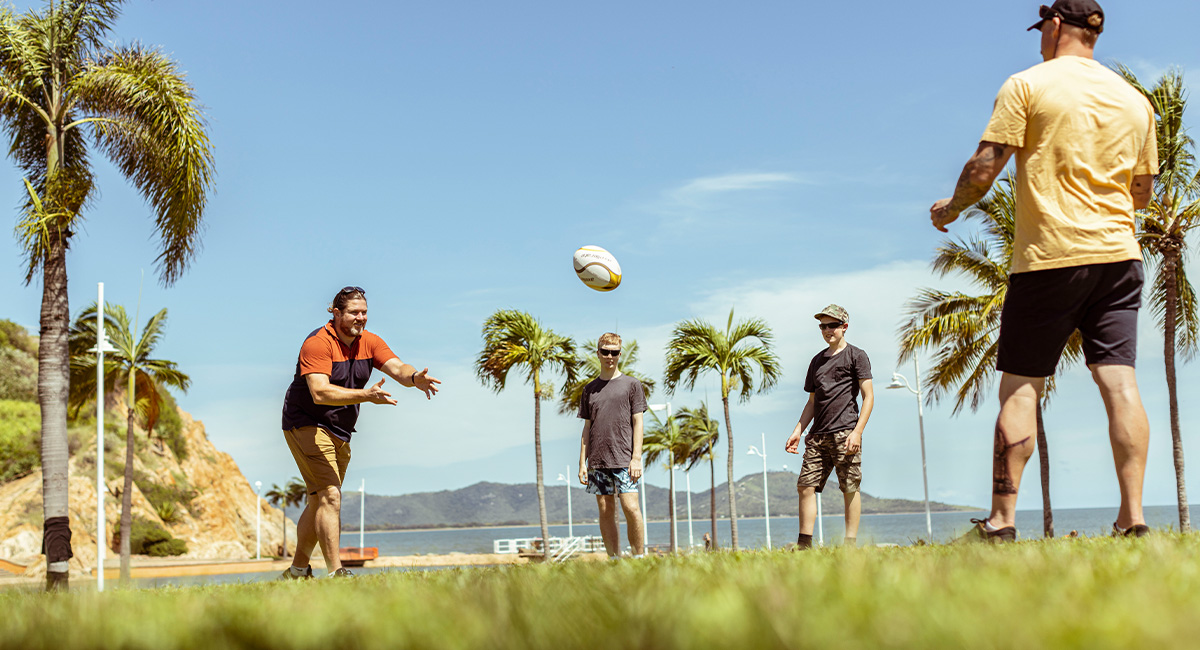
Whether playing, volunteering or cheering from the sidelines, team sport can support physical health, mental wellbeing and social connection for veterans, current serving members and their families.

Starting a recovery journey after service can feel complex and overwhelming. But there is support available.
Transitioning from the Defence Force to the community is a unique experience and can be a significant adjustment for some veterans.
Although many adapt easily, some veterans may experience distress during their transition, while others may find it difficult to access the right supports at the right time.
While motivation and a proactive approach can support rehabilitation, recovery is rarely a straight line.
Common challenges during recovery
Some veterans may experience traumas that impact an individual's success in transitioning including post-traumatic stress (PTSD), anxiety, depression, moral injury and the ongoing impacts of physical injuries.
Other barriers to recovery can include navigating the civilian health systems, managing long wait times for appointments, and finding local providers who understand or are knowledgeable in veteran health and wellbeing.
Recognising these challenges is important, as veteran-informed support can make a meaningful difference to recovery and long-term wellbeing.
By understanding and accepting where they are on their recovery journey, veterans can start to build psychological flexibility, reduce negative self-talk, focus on what truly matters and set realistic and achievable goals.
Taking a holistic approach
Recovery can involve many connected parts of a veteran’s life, not just one area of wellbeing.
Mental, physical, emotional and social wellbeing are often closely linked, so challenges in one area can affect another.
A holistic approach looks at the whole person and supports veterans to build meaningful connections, access safe spaces, feel seen and heard, and take an active role in setting goals that support their wellbeing.
This can include support that helps veterans:
What healthy recovery looks like
For veterans, indicators that their recovery journey is on the right track could include better interpersonal relationships, improved daily functioning and even a renewed sense of purpose.
They may notice positive changes in everyday habits, such as consistent use of strategies that help improve sleep or reduce stress levels, increased engagement with friends, family or support networks, and healthier routines. Goals may feel more achievable, and challenging days may feel more manageable.
It is important to remember that setbacks in recovery are normal and trying to return to a previous idea of “perfection” or “normal” can create added stressors and slow down the progress.
It's the small wins and steady changes over time that show recovery is moving in a positive direction.
Helpful strategies during recovery
Common strategies that support veterans in their recovery can include trauma-informed care, evidence-based therapies and peer support networks.
These approaches can help address mental and physical wellbeing challenges, build trust, and promote safety and connection within civilian communities.
Noticing early warning signs and starting conversations without judgement can also encourage veterans to seek early help and access the right supports before concerns become more difficult to manage.
Reducing barriers and stigma helps create a stronger recovery culture, while practical strategies such as education, self-management, healthier lifestyle choices, development of positive habits, engaging in social connection and resilience building can improve quality of life and support long-term wellbeing.
Support at Mates4Mates
Within Veteran & Family Wellbeing Centres, Mates4Mates services offer a holistic, wrap-around support for veterans who may be beginning or continuing their recovery journey.
Whether support is needed for mental health, physical rehabilitation, connection with other RSL Queensland services or building social connections, veterans can be reassured that they will be met with understanding and support at every stage of their transition and recovery.
To find out how Mates4Mates can help support you, reach out to us on 1300 4 MATES (62 837) for a confidential chat.
Written by Stacey Gillam, Mates4Mates Counsellor
Whether playing, volunteering or cheering from the sidelines, team sport can support physical health, mental wellbeing and social connection for veterans, current serving members and their families.