Leaving the Defence Force isn’t just a career change – it can sometimes be a shift in identity.
For many veterans, the uniform has shaped who they are, how they think and how they connect with the world.
When a person first enters military training, there is a deliberate and crucial shift from civilian to Defence identity to help prepare them for what’s ahead.
Our identities are shaped by our beliefs, values, behaviours, experiences and norms, and for Defence Force personnel, their identity is transformed by a need to focus on the higher purpose of duty, collective responsibility and team culture, hypervigilance and extreme discipline.
When they then exit the Defence Force, it can be challenging to integrate back into the civilian world which is generally more individualistic and flexible, creating an internal identity conflict.
The impact on the veteran
The loss of identity, particularly one that is entwined with a person’s career or job, can result in feeling a lack of purpose or meaning in life.
For veterans whose self-perceptions have been largely shaped by their time in the military, this change can cause increased irritability, anxiety or low moods as well as increase symptoms of depression and PTSD. These impacts can also be exacerbated when a veteran experiences an unplanned discharge due to medical issues.
Further flow-on effects include an increased sense of disconnection and isolation, leading to challenges with transitioning successfully back into the civilian community, as well as strains on relationships due to the veteran feeling misunderstood, and a loss of motivation which may impact attendance or engagement in employment.
Preparing for the identity transition
For current-serving members, proactive strategies can be put in place to assist with the future transition out of the Defence Force, making the process as smooth as possible and helping to protect your mental health.
- Connect with the community outside of the military. Whether that be in hobbies, social circles or community groups or organisations, this can help you build your sense of self outside of your career.
- Strengthen other aspects of your identity. Build your sense of self by focusing on other roles in your life such as within the family or volunteering.
- Explore your civilian identity ahead of transition. Identify and un-couple some of the ‘rules’ surrounding your Defence identity to help start coming to terms with differences in civilians' rules.
- Seek support early. Working with a mental health clinician prior to transition can help to process any thoughts or emotions that may arise. Start by reaching out to your medical officer or mental health team on base to find out what support is available.
What to do post-service
The friction with identity is something that can persist well beyond the initial transition out of the Defence Force and is not something uncommon for a veteran to experience years post-service.
If you’re a veteran who feels as though they are struggling to integrate their military and civilian identities, the first step is to access support through a psychologist or counsellor. They can help to guide you towards a new sense of self and purpose.
Other useful tools include online learning tool Go Beyond, a research-backed self-directed program which covers various aspects of transition and identity, based on individual needs and can be worked through at your own pace.
For immediate support during a crisis, contact Open Arms on 1800 011 046 or Lifeline on 13 11 14 for 24-hour support services.
If you are supporting a family member coping with identity loss, ensure that you allow space for open conversations about the shift in their identity and help them to work through some of their thoughts and feelings that arise for them around certain topics.
Further, it’s important to understand that struggles with identity can take time to move through. So, while patience is key, it can be valuable to have your own professional support as well – supporting someone through identity or mental health concerns can take a toll on carers or family members and your mental health needs to be a priority too.
Support at Mates4Mates
Current-serving Defence Force members and veterans who may be experiencing challenges with their identity can access mental health support through Mates4Mates psychology services.
The team understand the unique difficulties associated with military service and can provide treatment to help you manage your mental health, wellbeing and improve your quality of life.
Appointments with a psychologist are available, via a referral, both in person at a Veteran & Family Wellbeing Centre or via telehealth.
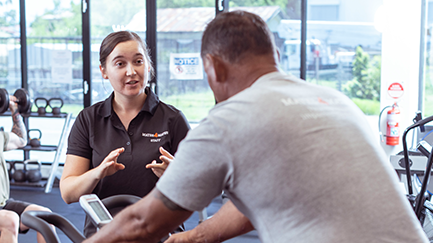
Appointments with a physiotherapist or exercise physiologist to support your physical health are also available at select centres.
A range of group-based clinical Skills for Recovery Programs are also available to veterans and their family members, which aim to give you the right skills and strategies to manage long-term wellbeing.
To find out more about how Mates4Mates can help support you, reach out to us on 1300 4 MATES (62 837) for a confidential chat.
Written by Kahlia Southgate, Mates4Mates Clinical Psychologist